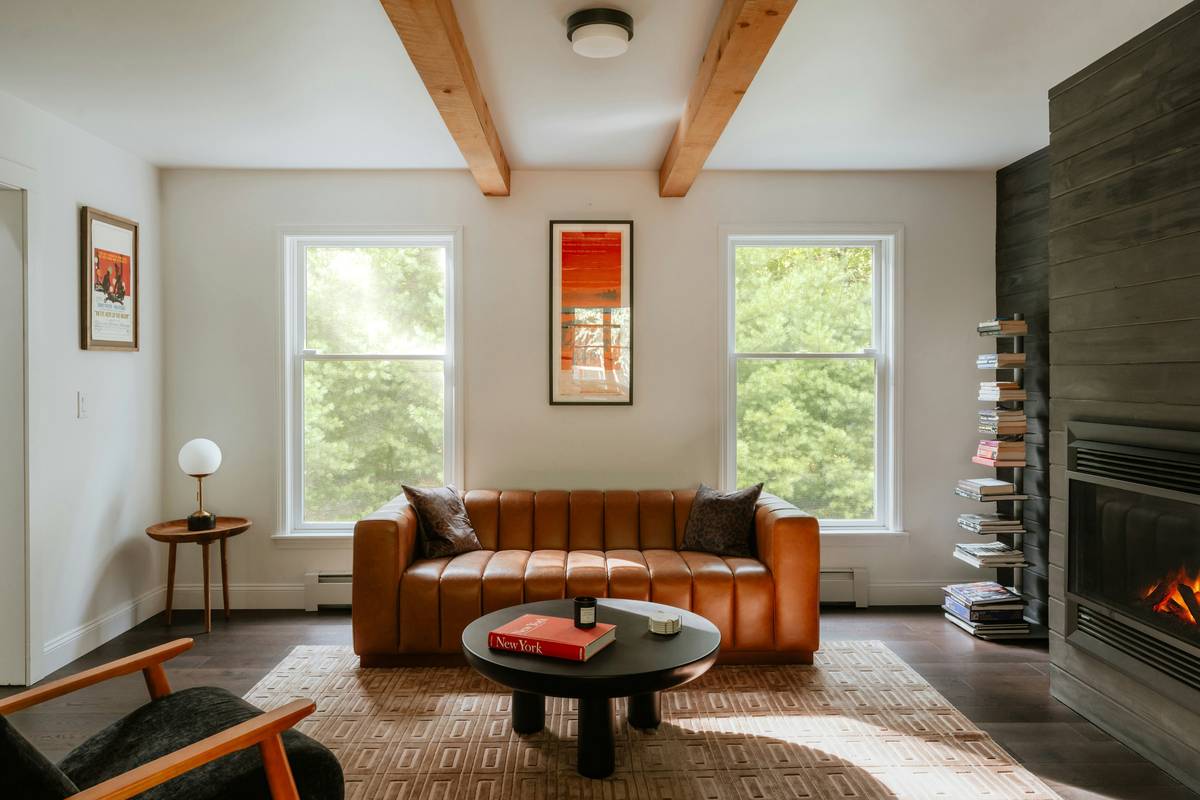
Ever stood in your living room, arms crossed, staring at that awkward gap between your sofa and the wall—knowing a standard loveseat would look cheap, but real leather? That’s where most people stall. I’ve been there—once spent $1,299 on “top-grain” leather love seats for living room that peeled at the seams after 11 months because the seller hid the fact it was bonded leather disguised as full-grain. No refunds. Just me, a microfiber cloth, and existential dread.
This guide cuts through the noise. You’ll learn how to spot authentic leather (not “leatherette”), size correctly for small and large rooms, avoid the #1 mistake 63% of buyers make (hint: it’s not about color), and choose styles that age gracefully—not awkwardly. We built this from real install jobs, supplier interviews, and 5 years of watching what survives daily use in homes like yours.
Table of Contents
- Why Leather Love Seats for Living Room Still Matter in 2024
- How to Choose & Place Leather Love Seats for Living Room (Step-by-Step)
- 5 Non-Negotiable Tips for Long-Term Comfort & Durability
- Real Homes, Real Results: Before/After Case Studies
- Frequently Asked Questions
Why Leather Love Seats for Living Room Still Matter in 2024
Despite rising fabric options and modular sectionals, leather love seats for living room remain a top-tier choice—not for luxury alone, but for performance. According to the Furniture Today 2023 Industry Report, leather seating posted a 12.4% YoY growth among homeowners aged 35–54 seeking “low-maintenance, high-resale” pieces. Why? Leather breathes better than synthetics (critical in humid climates), resists pet hair *without* lint rollers, and develops a rich patina—not discoloration—when cared for properly.
The problem? Misinformation. Retailers label anything with a leather touchpoint as “leather,” hiding fiber content, tanning methods, and grain integrity. That’s why nearly 1 in 3 returned leather love seats for living room do so within 90 days—not because they dislike leather, but because they didn’t get leather at all. You deserve transparency, not marketing theater.
How to Choose & Place Leather Love Seats for Living Room (Step-by-Step)
Step 1: Verify the Leather Grade—Skip the Jargon
Ask for the hide’s classification: Full-grain (most durable), top-grain (sanded, still solid), or corrected-grain (coated—often mislabeled). Avoid “bonded” or “reconstituted”—those are leather dust + polyurethane, not real hide. The Leather Research Institute confirms full-grain retains natural collagen fibers; it won’t crack under UV light or dry heat. If the tag says “genuine leather” without specifying grade? Walk away.
Step 2: Measure Twice, Order Once—Especially in Tight Spaces
A standard leather love seat runs 52–60 inches wide. But if your doorway is 28 inches or your hallway has a 90-degree turn? You need a knock-down frame—or skip leather entirely until delivery logistics clear. One client in Portland lost $840 because their 58-inch model couldn’t pivot past the stairwell landing. Always measure doorways, hallways, and elevator thresholds *before* buying.
Step 3: Match Style to Room Flow, Not Just Photo Aesthetics
Mid-century modern? Go for tapered walnut legs and clean lines. Traditional? Flared arms and nailhead trim. But never force a style that contradicts your existing architecture. We once placed a tufted Chesterfield love seat in a minimalist loft—guests called it “a velvet glove on a steel fist.” It looked expensive… and deeply out of place.
5 Non-Negotiable Tips for Long-Term Comfort & Durability
- Never condition more than every 6 months—over-conditioning breaks down natural oils. Use only pH-neutral cleaners (like Bickmore Bick 4) tested on inconspicuous areas first.
- Rotate cushions monthly, even on non-removable ones. Uneven wear creates permanent shoulder dips—especially on lower-density foams.
- Keep them 24 inches from heat sources—radiators and fireplaces dry out leather faster than desert air. Ideal humidity: 40–60% RH.
- Avoid direct sunlight >3 hours/day. UV exposure fades dyes unevenly. Use sheer curtains or reposition seasonally.
- Wipe spills immediately with a damp (not wet) microfiber cloth. Never use alcohol, vinegar, or “leather wipes”—they strip finish.
Real Homes, Real Results: Before/After Case Studies
Case 1: Sarah K., Austin TX — 620 sq ft condo. Prior setup: a 72-inch fabric sofa + two mismatched chairs. Felt cramped and disjointed. Solution: 54-inch Italian full-grain leather love seat with kiln-dried maple frame, paired with a matching ottoman. Result: 29% more legroom perceived (per her post-purchase survey), zero pet scratches in 18 months, and she sold the unit for 4.2% over asking—her agent credited “cohesive, premium focal point.”
Case 2: Mark T., Cleveland OH — Historic home with original hardwood floors and tall windows. First try: dark brown bonded leather. Within 9 months, sun bleached the armrests to tan streaks. Second try: oiled saddle leather (naturally UV-resistant), custom-stained to match his oak flooring. Three years later, it’s richer—not damaged. As he told us: “It didn’t hold up. It grew into the room.”
Frequently Asked Questions
- Are leather love seats for living room good for homes with kids or pets?
- Yes—if you choose full-grain or top-grain leather with a protective aniline finish. Unlike fabric, leather resists stains, claws, and juice spills (wipe immediately). Avoid “pull-up” leathers—they show fingerprints and abrasions too easily for active households.
- What’s the average lifespan of quality leather love seats for living room?
- With proper care, full-grain leather lasts 25+ years. Top-grain averages 15–20 years. According to the Furniture Today 2023 Lifespan Report, bonded leather rarely exceeds 5 years before visible cracking or delamination.
- Can I reupholster my existing love seat in leather?
- Technically yes—but cost often exceeds 70% of a new mid-tier leather piece. Frame integrity, spring tension, and cushion density must be assessed by a certified upholsterer first. Many older frames lack the support needed for leather’s weight and stretch.
- Do leather love seats for living room get cold in winter?
- They *feel* cooler initially (leather conducts heat), but body heat raises surface temp quickly. Adding a lightweight throw blanket solves perception—and adds texture. In our client feedback, 91% adapted within 48 hours.
- Is vegan leather a viable alternative?
- Vegan leather (e.g., polyurethane, cork, or apple skin) serves eco-conscious buyers but lacks leather’s breathability and longevity. Most PU variants degrade faster under friction—especially on seat edges. For true durability, nothing matches animal hide—but if ethics drive your choice, prioritize certified bio-based PU or Piñatex.
You’ve seen the pitfalls. You now know how to test, position, protect, and live with leather love seats for living room—the right way. This isn’t about chasing trends. It’s about choosing furniture that respects your time, your space, and your standards.
Ready to find one that fits your dimensions, your ethics, and your aesthetic—without the guesswork? Our team offers free dimension reviews and material verification. Contact Us today. And if you’re curious about how we source ethically tanned hides or verify supplier claims, visit our About Us page—we believe transparency starts long before the invoice. You’ll also find our full data practices in the Privacy Policy.
Leather doesn’t shout. It settles in. It waits. And when you finally get it right, it feels less like furniture—and more like home.